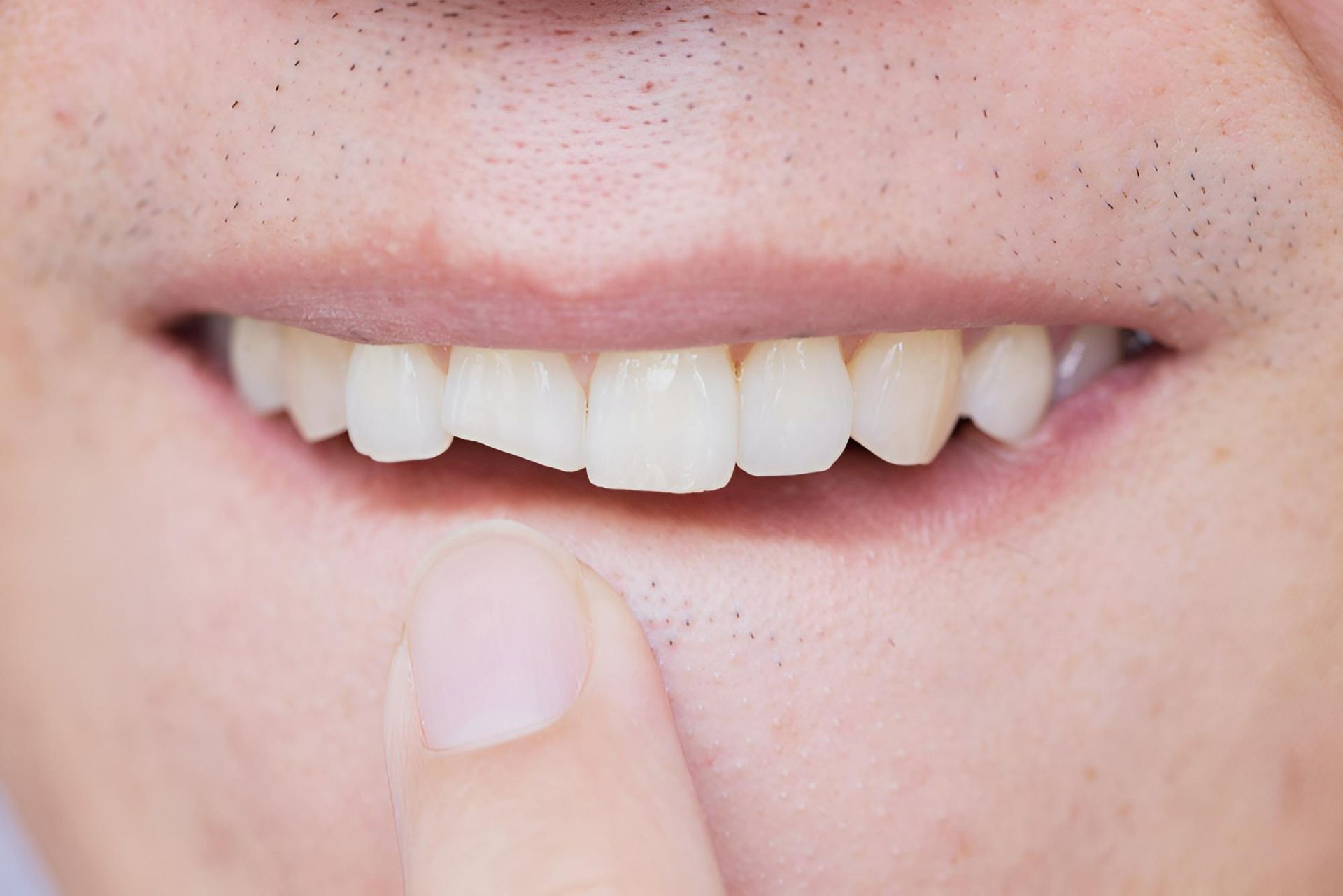
chipped tooth in Cairns
- Onsite lab for faster dentures
- Child-friendly dental care options
- Multiple clinics across Far North QLD
Request a call back
REQUEST A CALL BACK
Thank you for contacting Steve King Dental Group.
We will be in touch soon.
Please try again later.
Cairns chipped tooth
At Steve King Dental Group in Cairns, we assess and treat chipped or cracked teeth with a strong focus on preserving structure and preventing further damage. Cracks may be caused by trauma, chewing hard foods, teeth grinding, or wear over time, and may not always be immediately visible. Left untreated, they can compromise the integrity of the tooth, lead to pain, or increase the risk of infection, nerve exposure or tooth loss. If you've chipped or cracked a tooth and need prompt attention, we offer emergency dental appointments to assess and stabilise the tooth.
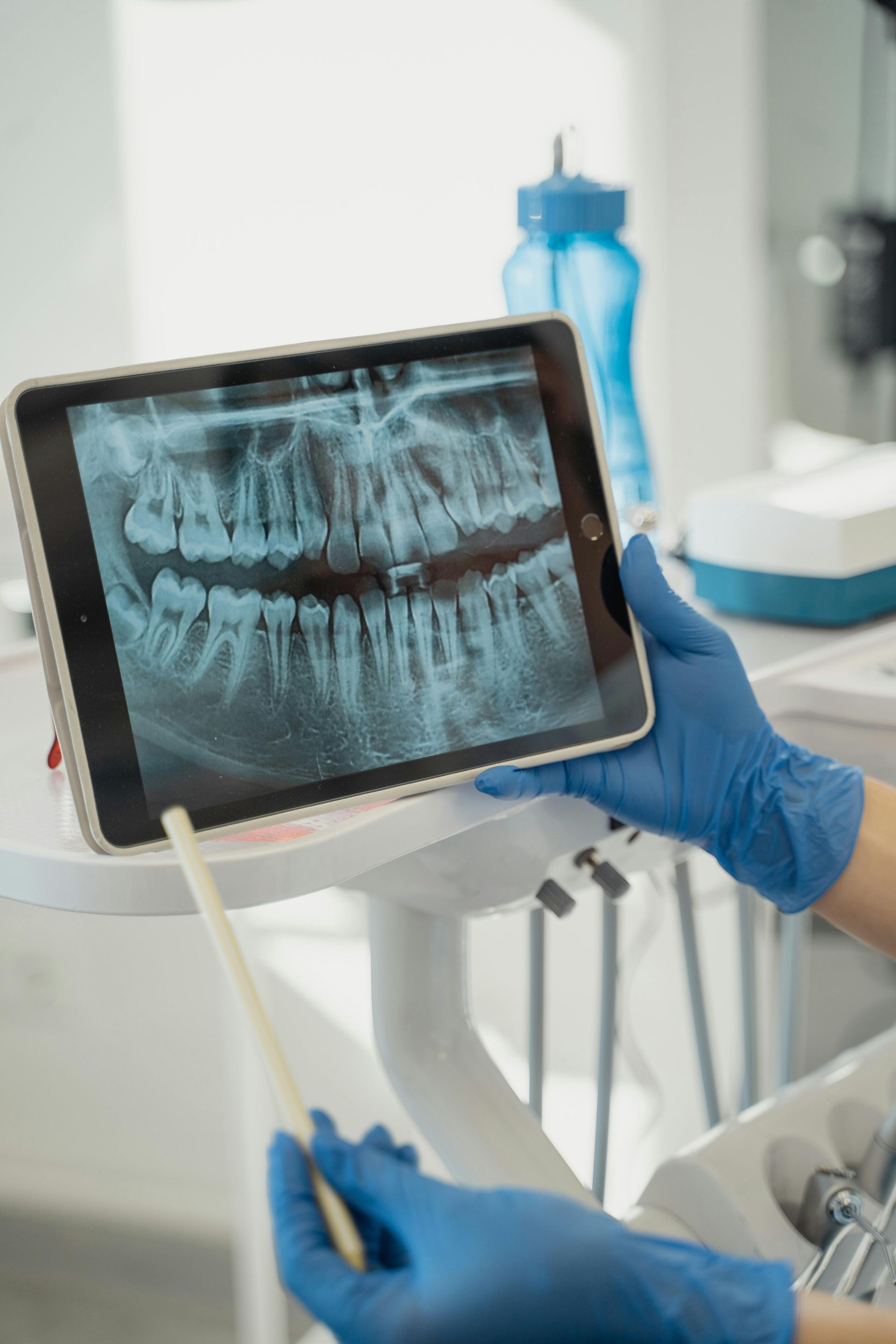
We evaluate the type, depth and location of the crack before recommending a treatment. Options may include bonding, crowns, or, in some cases, root canal therapy if the crack extends into the pulp. Our goal is to restore stability whilst helping protect the surrounding teeth and supporting long-term function. In more complex cases, diagnostic imaging is used to determine the best course of action.
A cracked or chipped tooth is often treated alongside other restorative or protective services such as tooth fillings, splints for bruxism or dental crowns. If you’ve experienced a dental injury or suspect a crack, call Steve King Dental Group on (07) 40320999 to book an assessment.
Protecting Teeth From Further Damage
Cracked or chipped teeth can vary widely in severity, from superficial enamel fractures to deep structural splits that can affect function or risk infection. At Steve King Dental Group, we take a tailored approach to each case by first identifying the extent of the damage using both visual assessment and imaging. Early intervention helps avoid the need for more complex procedures and can preserve the natural tooth longer.
Treatments may include composite bonding to fill minor chips, crowns to reinforce weakened teeth or root canal treatment where the pulp is exposed. Stabilising the tooth helps prevent further cracking under pressure and reduces the risk of long-term complications. It’s important to seek advice even if discomfort is minimal, as some cracks are difficult to detect without professional evaluation.
- Minimally Invasive Options
Conservative techniques are prioritised where possible to retain natural tooth structure. - Diagnostic Imaging Support
X-rays & scans help assess damage not visible to the eye. - Focus on Longevity
Restorations are selected to maintain both function & durability.
Professional care can help stabilise damaged teeth and reduce long-term oral health risks.
What causes a cracked tooth?
Cracked teeth can result from biting hard foods, teeth grinding (bruxism), trauma, or wear over time. Large fillings or root canal-treated teeth may also be more vulnerable to cracking. Some cracks are visible, while others may be detected only through symptoms or imaging during a dental examination.
What are the symptoms of a cracked tooth?
Symptoms may include pain when biting or chewing, sensitivity to temperature or sweets, and intermittent discomfort. In some cases, a cracked tooth may not cause noticeable pain but can lead to complications if left untreated. A dentist can evaluate the tooth using visual inspection and diagnostic tools.
How is a cracked tooth treated?
Treatment depends on the severity and location of the crack. Options may include dental bonding, a crown to restore the tooth's structure, or extraction if the crack extends below the gum line. Prompt diagnosis increases the chance of saving the tooth. Regular dental care can help prevent cracks from worsening.
For after-hours emergencies, contact your emergency department at your local hospital or an after-hours doctor’s surgery.